

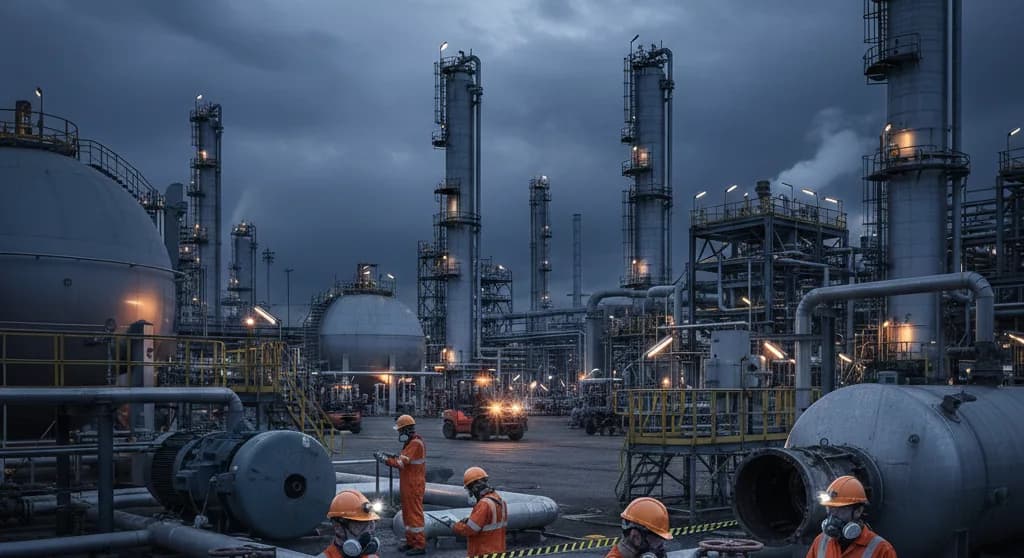
Understanding the Importance of Planned Plant Shutdowns in Industrial Operations
Plant shutdowns are a critical part of industrial operations, particularly in petrochemical and refining facilities where safety, efficiency, and reliability are non-negotiable. A well-planned shutdown allows organizations to inspect, maintain, and upgrade equipment while minimizing operational risks and unplanned downtime.
What Is a Plant Shutdown?
A plant shutdown refers to the temporary stoppage of operations to perform maintenance, inspections, repairs, or upgrades. Shutdowns may be planned, scheduled well in advance, or unplanned, triggered by unexpected equipment failure or safety concerns.
Planned shutdowns are essential for maintaining asset integrity and ensuring long-term operational performance.
Why Planned Shutdowns Matter
Industrial facilities operate under extreme conditions, including high temperatures, pressure, and continuous operation. Over time, this leads to wear and tear on equipment such as reactors, pipelines, heat exchangers, and valves.
Planned shutdowns help organizations:
- Identify potential equipment issues early
- Reduce the risk of unplanned failures
- Improve operational safety
- Extend the lifespan of critical assets
- Ensure compliance with safety and regulatory requirements
Key Activities During a Shutdown
A typical plant shutdown involves multiple coordinated activities, including:
- Equipment inspection and maintenance
- Mechanical and piping works
- Heat exchanger cleaning and maintenance
- Industrial cleaning operations
- Flange inspection and bolt tightening
- Safety checks and system testing
Challenges in Shutdown Execution
Shutdowns are complex and time-sensitive. Common challenges include tight timelines, limited access to equipment, coordination between multiple teams, and maintaining strict safety standards.
The Value of an Integrated Shutdown Approach
An integrated approach to shutdown management helps streamline activities and reduce interface risks. When services such as maintenance, cleaning, and mechanical works are coordinated under a single execution plan, shutdowns become safer and more efficient.
Conclusion
Plant shutdowns are not just interruptions—they are opportunities to improve reliability, safety, and performance. With proper planning, skilled execution, and a strong focus on safety, shutdowns play a vital role in maintaining the long-term health of industrial facilities.